One chilly night, wrestling with old holiday strands? Half the tiny lights won’t even glow. That struggle explains the rise of Festive Projector Lights. Forget climbing with wires. A single unit sits below, aiming upward. Instant brightness covers the walls. Done before hot cocoa cools.
Yet “Festive Projector Lights means many different things – some shoot lasers, others cast patterns through glass slides, while bright colored beams splash walls like paint. Choosing poorly leads straight to frustration, which most folks learn the hard way. Here’s how every kind works, what shows up on your electric bill, spots they shine and places they fail, plus ways to decide smart when dressing anything from a tiny porch to an entire street-facing facade.
What Is a Festive Projector Lights?
A spinning glow machine, sometimes known as a yuletide beam gadget or celebration ray unit, sits by itself and throws shapes – twinkling dots, icy crystals, jolly man visuals, or shifting hues – across surfaces like fences, front yards, or siding panels.
From one spot, light patterns stretch across eaves or window frames like glowing drawings in the air. Not strings, not wires – just beams shaped to mimic clusters of tiny bulbs. Fullness comes without clutter, much like holiday strands seen through a new lens. Turning it on feels ordinary, almost like lighting a room after dusk.
Most devices rely on just one of two ways to make light. Either they use tiny dots that glow when powered up – called OLEDs – or gas-filled chambers sparked by electricity, known as plasma systems. Some shine brighter through thin layers heated gently until radiant; others depend on shifting electrons across semiconductors. Each method shapes how images appear, though not always in obvious ways.
A tiny light inside glows bright, passing through a flat picture made of colored plastic. That glow shows shapes – reindeer maybe, or snow-covered figures, sometimes holiday rings hanging in the air. The image lands sharply on walls or floors, built from simple layers working together without fuss.
Laser beams dart through space, painted by tiny diodes that flicker in red, green, or mixed tones. These shifting dots spread far, dancing like stars born midair. Where silence might be expected, movement spreads across surfaces overhead. Light shifts like falling flakes caught midair. These glowing patterns breathe softly into open rooms.
A splash of color across walls or trees comes from compact RGB spotlights. Not focused on pictures, they glow with steady or shifting hues. Mood matters more than detail here. Holiday warmth builds through light that pulses or stays put.
Why People Are Switching From String Lights
What draws people in isn’t trying to seem more elegant – it’s making things smoother. Pressure builds from three sides, pushing most buying decisions.
Weekends vanish when hanging string lights along a roof. Projectors? They’re different – drop one on the grass or a stand, connect power, and point it right. Hours turn into moments.
Every year, people fall off ladders while putting up Festive Projector Lights. That kind of accident shows up like clockwork. With a projector, climbing becomes unnecessary. Instead of balancing on edges, you plug in a device. Roofs stay empty. Gutters remain untouched.
One reason these Festive Projector Lights make sense? They handle more than just Festive Projector Lights Think spooky scenes for October nights. Or pastel eggs popping up in spring. Fireworks blast across the yard each July. Even cake-themed glows appear for family milestones. Each use adds up, slowly paying for itself. Not stuck waiting till winter rolls around.
Hidden expenses often come down to the number of hours worked. While projectors may cost more at first purchase when lined up against basic string lights, they save big on installation time, plus reduce strain during setup – something many shoppers value far beyond the initial tag number.
Who Festive Projector Lights Are Actually For
Not every household needs the same type of Festive Projector Lights. The right pick depends heavily on your living situation:
- Folks who rent apartments might like this: no need to drill holes or mess with the roof. Storing it takes almost no effort.
- Busy homeowners might appreciate that a single broad laser sweeps across the entire front of a house without needing adjustments.
- Little ones at home? These Festive Projector Lights bring stars inside, gentle on the eyes, cool to the touch. Not needing mounts keeps them out of reach of tiny fingers. A soft glow spreads across the walls, rather than bright lights burning close by. Safe curiosity thrives when warmth stays low, and wonder fills the room. Nothing dangling means peace of mind while shapes drift above beds.
- When folks throw a gathering, lights that shift color help change the room’s feel fast. Some setups offer many patterns, others blend hues smoothly. These choices adjust how a space seems without effort. Different looks come alive just by switching modes. Guests notice the difference right away. A flicker of red might energize one moment, then soft blue calms later. The effect moves with the night’s flow.
- Anyone struggling to get about will appreciate setups on the floor – no steps involved whatsoever.
- One simple projector saves cash, sure. Still, fewer headaches come from skipping tangled strings of bulbs every season. Less mess shows up right away when you skip the pile of wires. Setup gets quicker without hunting for plugs or extension leads. Pointing at a wall beats fighting power strips any night. While some swear by twinkling strings, others find a beam does more with less. Rather than replacing bulbs every season, there is steady performance year after year. Even outdoor scenes gain depth without dozens of wires running everywhere.
Types of Festive Projector Lights, Compared
| Type | Best For | Typical Coverage | Limitation |
| Laser projector | Large house fronts, big lawns | Often the widest — some units reach into the thousands of square feet | Pattern is usually abstract (dots, snow) rather than a defined scene |
| LED slide projector | Detailed, recognizable imagery | Smaller to mid-size walls | Image softens or distorts at long distances |
| RGB/color-wash floodlight | Ambient mood lighting | Variable, mostly used as an accent | Less “festive shape,” more color wash |
| Indoor star/galaxy projector | Bedrooms, party rooms | Single room | Not bright enough for daylight or outdoor use |
| Multi-holiday/year-round projector | Buyers wanting one device for several occasions | Comparable to standard slide projectors | Rarely the brightest or widest-coverage option in any one category |
A laser projector and an Festive Projector Lights solve genuinely different problems. If you want the entire front of your house to glow with a starfield effect, a laser unit is a better option. If you want a recognizable Santa-and-sleigh scene on your garage door, you need an LED slide model — lasers can’t reproduce that kind of detailed image.
Popular Festive Projector Lights by Category
Right off the bat – each pick shown is something you can actually find now under Festive Projector Lights online. Not tested personally, no lab results behind these, nor matched side by side; they just happen to fit their group well. Since what’s offered shifts often – with specs, stock, or functions updating without warning – it pays to look up fresh info before deciding. Things like price or features might already be different by tomorrow.
Laser projectors
1. MHAZDZE Outdoor RGB Laser Festive Projector Lights
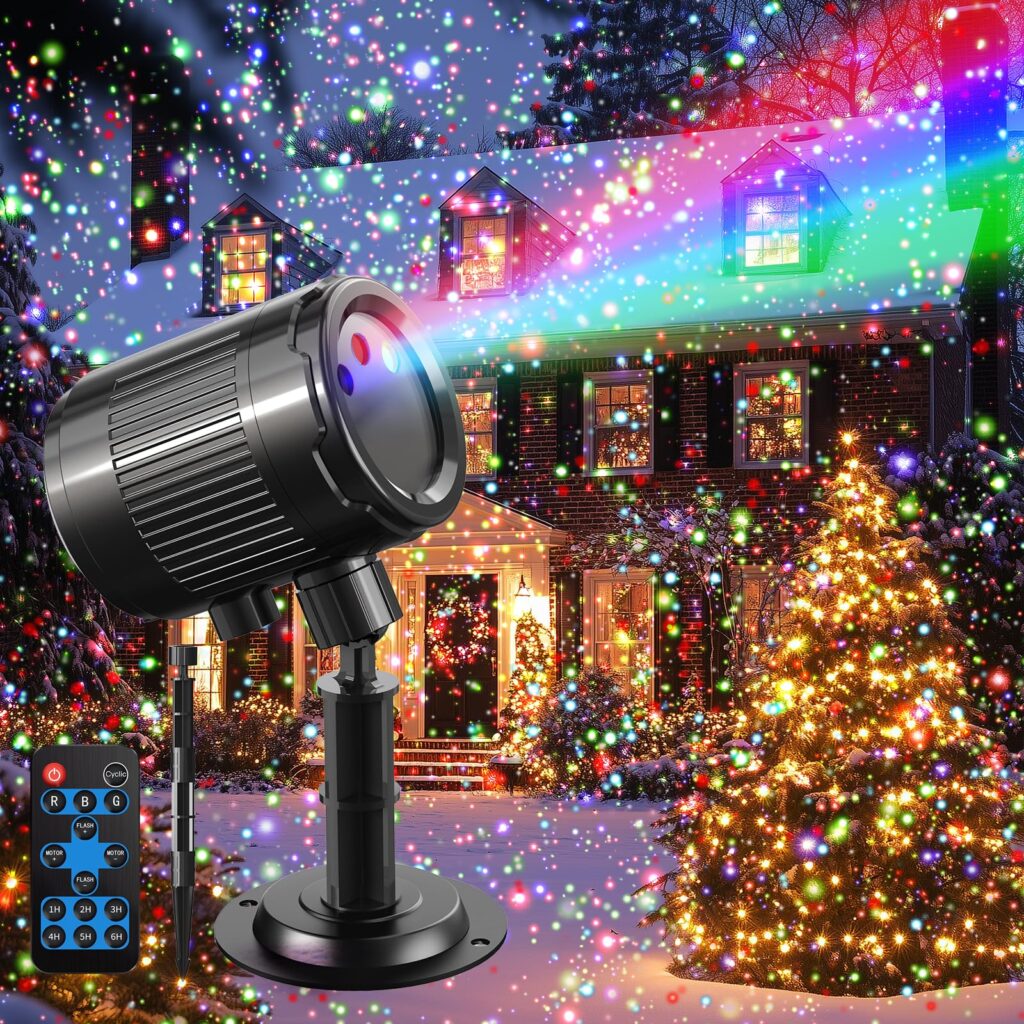
MHAZDZE Outdoor RGB Laser Festive Projector Lights are rated to cover roughly 3,541 square feet from 40 feet away, IP65 weatherproof, with remote control over color mode and auto-off timer.
2. Star Shower Ultra 9 Outdoor Festive Projector Lights
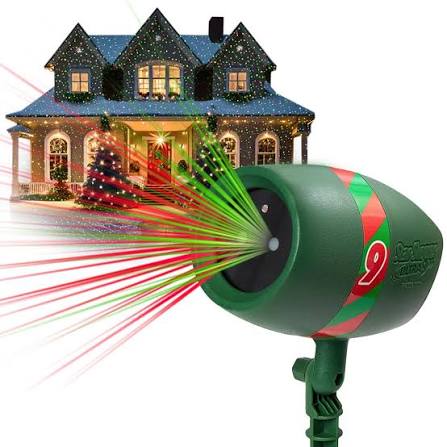
Star Shower Ultra 9 Outdoor Festive Projector Lights has nine pattern combinations across three color options, rated for coverage up to roughly 3,200 square feet; one of the longest-running names in this category.
3. SUNYAO Motion Festive Projector Lights
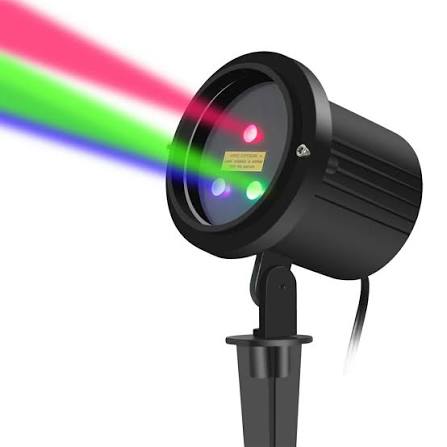
SUNYAO Motion Festive Projector Lights are lower-priced entry point for buyers who want laser coverage without paying for app control or a larger pattern count.
LED slide projectors
1. Gemmy LED Merry Christmas Whirl-A-Motion Projector
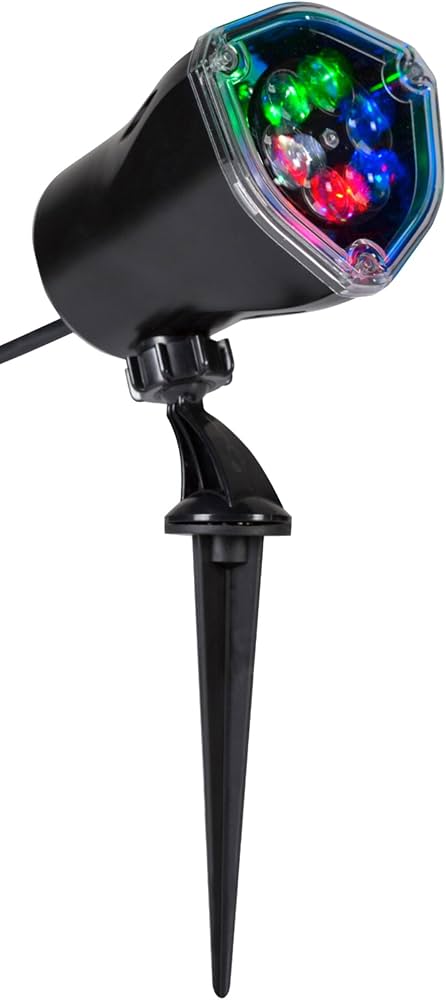
It is a single-pattern unit (reindeer and “Merry Christmas” script) for buyers who want one clear, recognizable scene rather than abstract laser dots.
2. Mr. Christmas Motion Holiday Projector
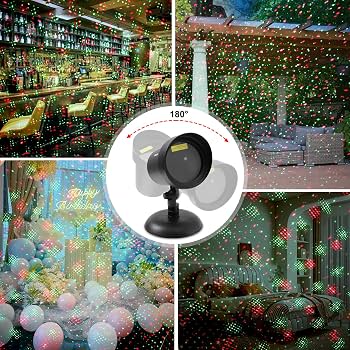
It ships with 20 interchangeable slides spanning multiple occasions across the year, fitting the multi-holiday/year-round category described above.
RGB/color-wash floodlight
Outdoor RGB Laser Projector (Starry Sky & Firefly effects)
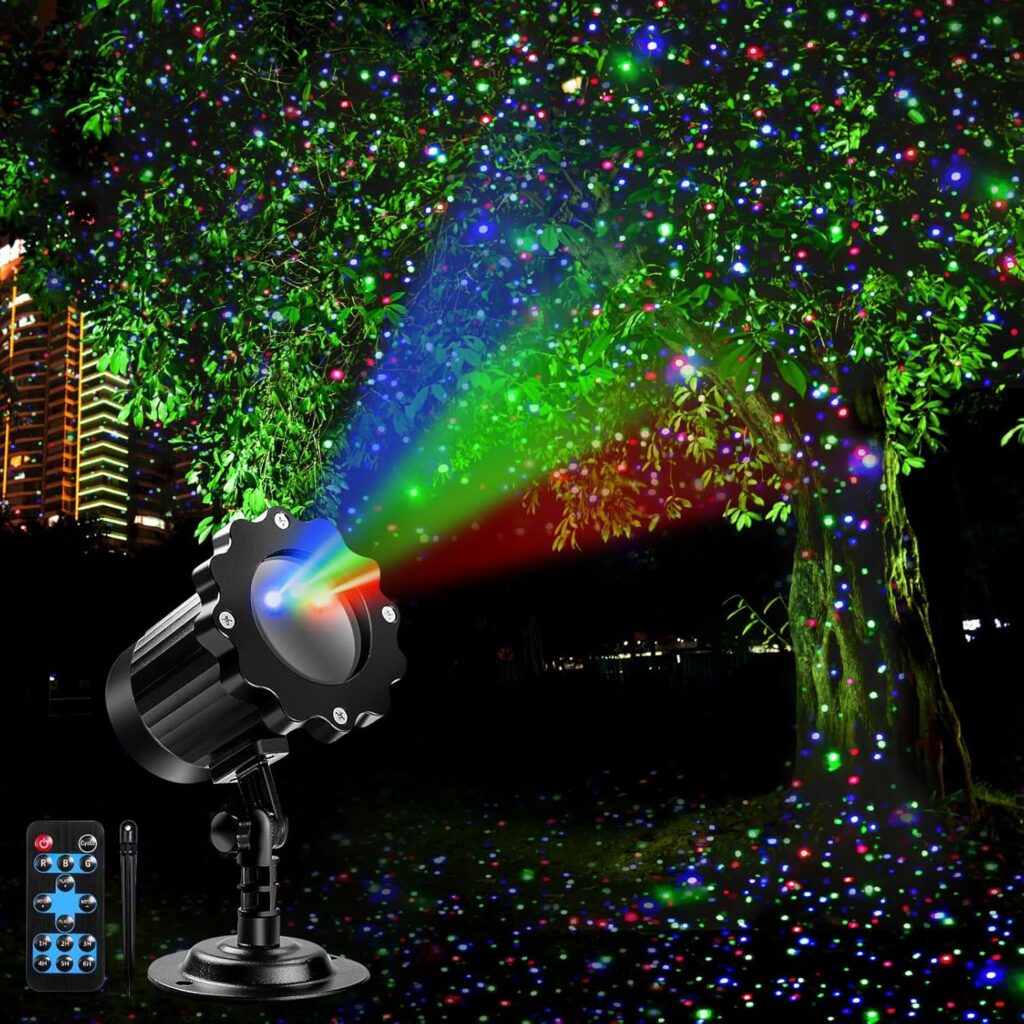
Outdoor RGB Laser Projector (Starry Sky & Firefly effects) functions closer to a moving color wash than a defined image, with remote-adjustable color combinations and IP65 weatherproofing.
Indoor star/galaxy projectors
1. BlissLights Sky Lite Evolve
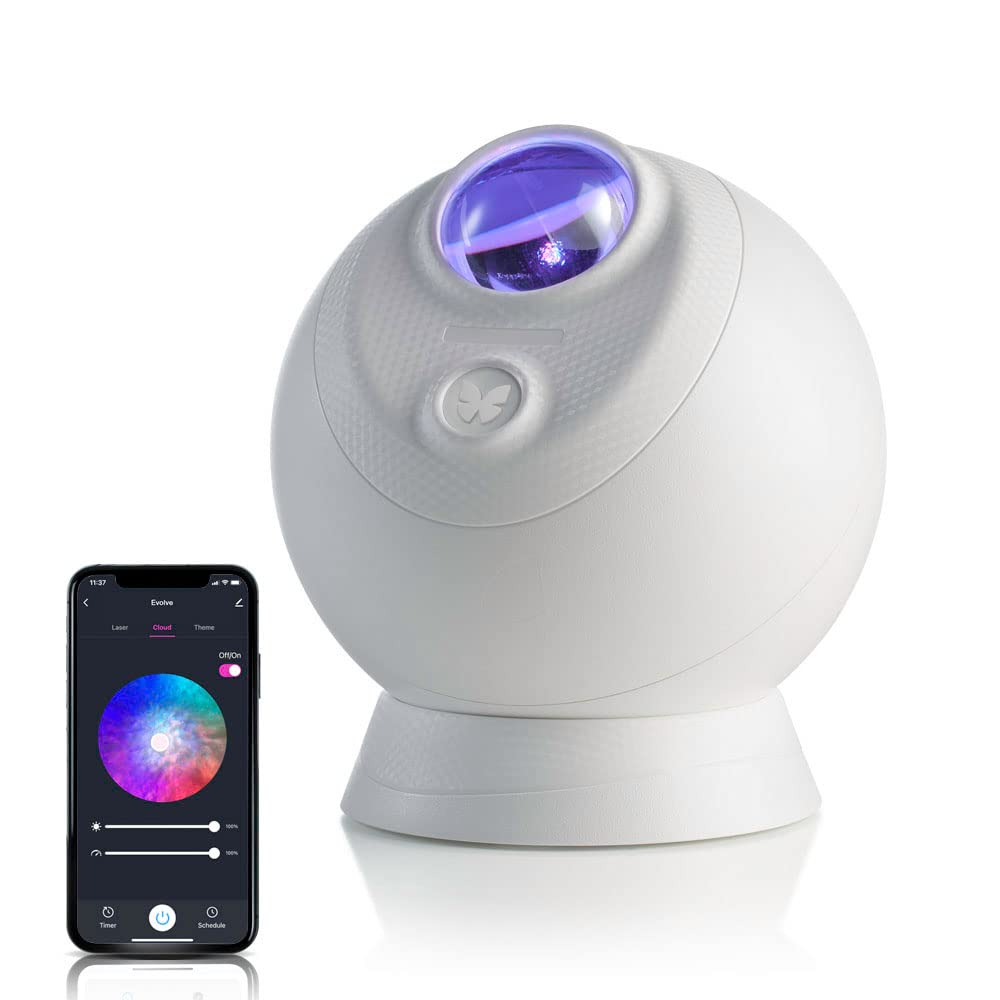
This app-controlled nebula-and-laser-star projector built specifically for bedroom and indoor ambiance rather than outdoor coverage.
2. Govee Star Festive Projector Lights
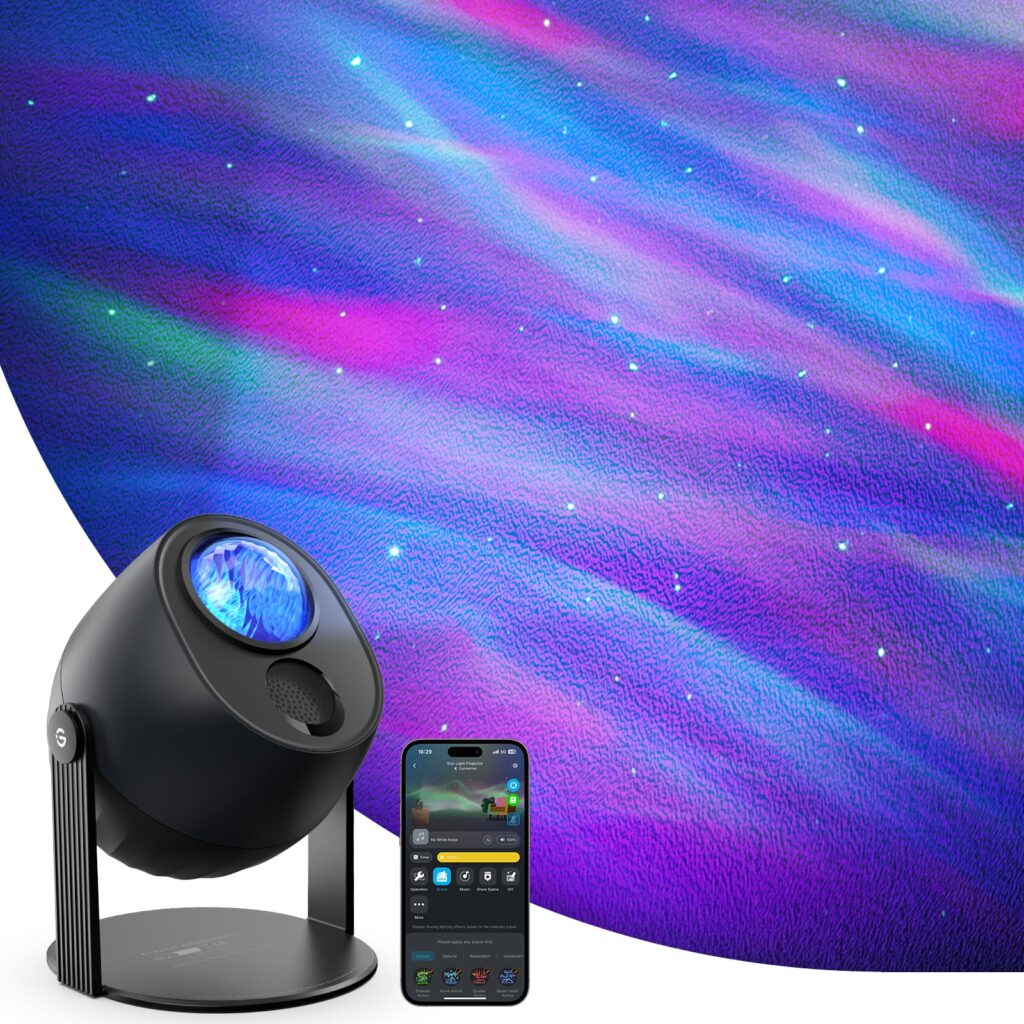
A more budget-friendly indoor alternative with multiple aurora effects and smart-home (Alexa/Google Assistant) compatibility.
How Much Coverage and Distance You Actually Need
Ah, the sweet spot matters – Festive Projector Lights need space to breathe. Too close? Image squishes like overstuffed luggage. Back away just enough, and colors snap into place. Move farther still, edges bleed like watercolors in rain. Most folks blame the machine when their room won’t cooperate. Truth is, the box works fine – it’s the dance with distance that trips them up.
Think of it like this:
- A small porch could get by using only a bit of earth close at hand. Fifteen to two hundred square feet can cover a modest window space. A lone tree often thrives when confined to a small area. Some tight spots manage well within that range. Space needed depends on what’s growing there. Not every plant demands a lot of room to spread.
- Festive Projector Lights shows shine best when they fill big spaces completely. Homes with wide front views need strong projectors to cover every inch. When the yard stretches far, brightness matters most. For displays over a thousand square feet, power becomes essential. Weak lights disappear on broad surfaces. Only high-output models handle full exterior walls well. Size demands strength; nothing less works right.
- A single wall holds the indoor unit, not every corner of the space. Built for one spot, it stays put where mounted. Instead of filling a full area, it fits tightly against the plaster and frame. Its purpose narrows down to serve just what’s near.
Smooth areas reflect light better than uneven ones do. Most folks miss that the texture of a surface changes how well you can see it.White walls reveal sharp images. Dark brick swallows brightness, muddying fine lines. Stone does the same thing, often leaving patterns faint or broken. This problem rarely appears in reviews. Houses with earthy exteriors face bigger challenges. A strong laser helps. But aiming it elsewhere works even better. Pointing toward a garage panel rather than red bricks yields clearer results. Even a draped bedsheet can become an effective screen. Output power gains mean only when paired with a suitable material. Flatness wins over raw strength every time.
What They Cost to Buy
Bouncing between fifteen bucks and two hundred fifty dollars, Festive Projector Lights shift based on what they do. A simple beam casting one design usually sits near the lower end. Fancy lasers that blast vivid sweeps across houses often climb toward the top. Smart functions like app links or timed cycles push costs up, too. Most households land in the $40–$100 range, where you get multi-pattern slides or solid laser coverage with reasonable weatherproofing.
| Type | Typical Price Range | What Drives the Price |
| Basic single-pattern LED projector | Low end of the market | Build quality, pattern count |
| Multi-slide LED kit | Mid-range | Number of interchangeable slides, rotation motor |
| Standard laser projector | Mid-range | Coverage area, weatherproof rating |
| High-output laser projector | Upper end | Long-throw coverage, app or remote control, durability |
| Indoor star/galaxy projector | Lower end | Light modes, sometimes a built-in speaker |
Pricing patterns are broadly similar across markets, though currency and import costs shift the exact numbers by country. If you’re shopping outside the US, it’s worth checking your region’s voltage standard before buying — more on that below.
How Much Electricity Do They Actually Use?
Most people get tripped up here when looking into Festive Projector Lights. That happens because the numbers out there jump around like popcorn – some say pennies each month, while others land past a buck. Truth sits in the middle, really. What you pay depends on how strong your model is in watts and how long it stays on every evening.
Some home LED and laser Festive Projector Lights need about 10 to 30 watts. That means one long strand – 500 feet – of old-style incandescent lights might pull more than ten times that amount. When used each evening for 4 to 6 hours in December, most models add almost nothing to the electric bill. Still, what you actually pay ties directly to the number shown on your device’s tag. Each model differs. There is no shared value across all units.
Start by looking at the actual wattage number when price per unit of power counts – marketing talk tends to wander off course. Product details and reviews? They clash here more often than expected.
Setting One Up: A Straightforward Process
- Pick where you’ll project. A flat surface with little texture works just fine – like a clean wall, garage entrance, or exterior paneling rather than uneven stone or coarse brick.
- From the edge of the screen, count the feet to where the projector rests. Follow the manufacturer’s numbers when setting up the support structure.
- Start by setting the base right. Slide the spike deep into the soil, or spread the three legs wide on flat, solid ground.
- Power it up. Plug into a weatherproof extension cord along with a GFCI outlet when placing equipment outdoors.
- Start by turning it on. Tilt comes next, but go too steep and things warp – that slant messes up the picture, what some call keystoning.
- Start the countdown. Many newer versions come with an automatic night schedule built in – fix it just once so you do not need to power the device up or down each dusk.
- From the sidewalk, take a look. Step back so distant views match what guests see. Only then consider it complete.
Common Mistakes Worth Avoiding
A few small errors account for most of the disappointment people report with these products:
- Failing to check how far you place the projector? That messes up image clarity or size every time.
- On darker walls like brick or stone, a light fixture might seem dull. Though it shines well elsewhere, here the glow gets lost. When up against deep-colored siding, brightness fades visually. Even strong lighting can appear weak in such settings.
- Beside the garage, a gadget meant for indoor use might encounter morning dampness. When left outside, just a little moisture sneaks into parts not built to handle it. Even if skies seem clear, nighttime chill brings wet air that settles deep. Out in the open, gadgets crumble unless sealed tight. Just a little rain – seems fine until it sneaks inside. Water travels slowly, finding spots it never ought to reach. Afterward, flickering signs show something went wrong behind the panels.
- A wobbly base outside might not hold up when the breeze picks up. One loose end could mean everything shifts by midnight. A crooked patch of terrain adds extra risk. Gusts tend to push against tall setups. What stands firm at dusk may lean later. Uneven soil gives little support. Over hours, small movements add up.
- Purchasing just ahead of the holidays without extra days built in means trying out the device exactly when you plan to use it – no chance to swap it out should the garden or wall placement turn problematic.
Safety and Compliance: What’s Often Left Out of Buying Guides
What grabs most buyer reviews? Brightness, plus how many patterns a product offers. Safety slips through the cracks – strange, since it matters just as much. A shift in attention feels overdue.
One thing stands clear – lights meant for seasons in America, like projectors, must meet UL 588 rules for electric safety. Spotting an approved label isn’t just ticking boxes; it quietly tells you what’s worth considering. That stamp? It weeds out weak builds without needing tests at home.
Thinking clearly about outdoor electricity risks makes sense. A Festive Projector Lights, like other outdoor fixtures, needs to plug into a safety outlet that cuts power when it senses trouble. People often mention similar problems during holiday seasons – lights staying on while nobody is watching, sitting them on wood floors or decks, or plugging too many things into one cord line. Out in the open, projectors aren’t off-limits – just treat their cords like you would holiday strands or garden stakes when rain shows up. Wiring needs watching, that’s all.
A few practical safety habits go a long way:
- Use GFCI-protected outlets for anything outdoors.
- When you can, skip linking several extension cords together
- Keep cords elevated or covered to prevent tripping hazards.
- Start by looking at the IP rating if it will sit outdoors – go with IP44 or better. When rain hits directly, pick IP65 or even IP67 instead.
- Keep kids and animals away from wires or pole setups.
How Long Do They Actually Last?
Most of the time, folks guess wrong about how things really go. Hidden well, those little lights can stick around a decade or longer. Those projector types? Especially lasers that spin stuff inside – they usually tap out after two, maybe five Christmases in the yard.
Here’s why it happens. What helps a projector work well – its moving parts, glass elements, outside exposure – also leads to gradual breakdown. Moisture creeping into the lens often clouds visibility. Models that spin can lose alignment slowly as motors weaken. Heat that changes through the seasons adds stress each year. These issues do not mean buying one is unwise. They simply perform differently from basic outdoor lighting. Their lifespan is shorter, yet they require less upkeep.
Inside storage when not in season keeps the tool working well far longer than outdoor exposure. A shed or garage wears much more than constant weather contact.
Festive Projector Lights vs. String Lights: An Honest Comparison
| Factor | Festive Projector Lights | Traditional String Lights |
| Setup time | Minutes | Often several hours |
| Ladder/roof access required | No | Usually yes, for rooflines |
| Customization | Limited to available patterns | Highly customizable placement |
| Typical lifespan | Roughly 2–5 seasons | Often 5–10+ seasons with care |
| Weather resilience | Can blur in heavy fog, rain, or snow buildup | Generally unaffected visually by weather |
| Coverage of large areas | Fast, single-device coverage | Requires significant material and labor |
| Best for | Fast, low-effort, large-area impact | Detailed, permanent-feeling outlines |
One choice isn’t always right – each fits separate needs. Many homes go with both: a projector takes center stage on the main wall, while basic string lights run along edges, frames, or branches to bring depth and warmth. Not every setup works the same way.
Global Buyers Need Compatible Plugs and Voltage
A small thing most gift tips skip entirely: holiday Festive Projector Lights often fail abroad. In North America, voltage runs at 110–120V; elsewhere – think Europe, Britain, Australia – it jumps to 220–240V. Plug designs shift, too. So a device bought in Los Angeles might sit useless in Berlin.
Should you order a device from overseas, first confirm if it supports dual voltages or comes with a proper plug converter – getting this wrong might fry the electronics or become hazardous. People living beyond American borders face extra hurdles here, given that nearly every piece of online buying advice assumes users reside in the United States.
Where and When to Buy
Festive projector lights? Choices swing with the calendar; nearly every place follows that rhythm. Late October kicks off the flood of models piling onto shelves, a steady climb into December. Then – sudden silence. By January, what was overflowing gets marked down fast, sitting quietly for those thinking far ahead. The cycle resets before anyone notices.
Close to a big holiday, checking what’s actually on shelves beats waiting for delivery. Most people rush then, so packages slow down. Stores near you might have it today instead of next week. Waiting gets tense once the clock ticks under fourteen days. Stock at local shops saves time when deadlines loom.
Making the Decision
Should you find yourself unclear about what suits your case, move step by step through the following four questions, one after another
- Out in the open? Then it must resist rain, so look for a sealed casing. Inside walls? That one skips the heavy shielding.
- What space will it go over? The front of an entire home takes up more than just a little porch.
- Picture sharp details, go with LED slides. For drifting flakes or twinkling dots, lasers do that well. Need broad hues across the space? Then pick RGB lighting instead. Each one shapes what people see, just in its own way.
- Picture this – using a slide projector once, then again when pumpkins glow. Reuse turns one moment into many. Think holidays stacking: Easter lights follow spooky October nights. Summer parties keep the machine busy. Value grows each time the bulb flickers on.
Most folks diving into this aren’t chasing endless possibilities – they want clarity. Pinpointing answers to just four questions trims the noise fast – suddenly, only a couple of real paths remain. That narrowing? It happens quietly at first, then sharpens everything. Choices fall away like leaves once you ask the right things. One by one, dead ends reveal themselves, leaving only workable ones. What seemed overwhelming minutes ago now feels manageable. The process doesn’t shout – it simply removes what wasn’t meant to stay.
FAQ
Are Festive Projector Lights better than string lights for Christmas?
Festive Projector Lights win on speed and safety. String types let you tweak every tiny detail. Some folks grab both, blend the effects. No clear champion here.
Do Festive Projector Lights use a lot of electricity?
Surprisingly little power keeps these holiday displays glowing. Not every unit pulls the same amount – some sip energy while others take more. Running one each evening won’t shock your utility bill. The real number hinges on what kind you plug in. Efficiency shifts from design to design.
How far away should a projector be from the house?
It depends on the model’s specified throw distance, typically somewhere between 10 and 30+ feet — straying outside that range is the most common cause of a blurry or poorly sized image.
Can you leave a projector outside in the rain?
Most Festive Projector Lights won’t survive rain unless they’re built for outdoor use. A proper IP rating means it can handle wet conditions. Inside models must be kept completely free of moisture. Water damage happens fast when they’re left out.
Why is my projector image blurry?
Almost always a distance issue — the unit is placed too close or too far from the target surface relative to its optimal throw distance.
How long do Festive Projector Lights typically last?
Roughly two to five holiday seasons with regular outdoor use, shorter than well-stored string lights, mainly due to lens and motor wear.
Are laser projectors safe for the eyes and pets?
Just because a Festive Projector Lights feels safe doesn’t mean you should look straight into the light up close. Manufacturers usually warn about pointing your eyes right at the beam when near. Position matters – keep the path of light above paths where people walk. Normal room use is fine, yet getting too close changes things.
Can I use a projector and string lights together?
Yes — this is actually one of the more popular setups, using a Festive Projector Lights for broad coverage and string lights for detail around windows, railings, or trees.
What’s the return risk if a unit doesn’t suit my wall?
Worth checking before buying, since seasonal products often have shorter return windows right around major holidays — testing the unit within a few days of purchase is the safer approach.
Conclusion
Festive Projector Lights bring quick, eye-catching decor to houses, outdoor areas, or gatherings – no tangled wires or climbing ladders needed. Instead of stringing bulbs by hand, some pick lasers to spread light far across walls and trees. Others favor LED units that cast crisp images like snowmen or reindeer onto surfaces. Then there are color-shifting flood-style versions for those who enjoy shifting tones through the night.
Which kind works best ties back to room size, what it costs, and how fancy you want things to look. Coverage range matters – so does if it withstands rain, uses little electricity, and shows sharp pictures. A careful check helps land on one that truly fits what you picture. When ease counts but standing out still does too, Festive Projector Lights often shine brighter than many expect nowadays.
These information about floor rising Outdoor Projector Screen are gathered from different surveys, medical tests and tech giants like Amazon, Techradar and more. Our top priority is to provide you valuable information about floor rising projector screens.


